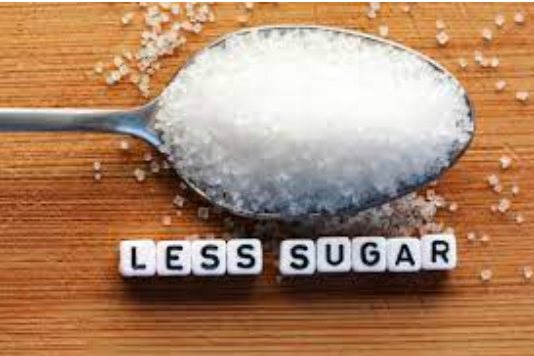
In this article, we will explain why sugar reduction matters, the hidden dangers of added sugars, and how you can apply these 4 steps to reduce added sugars in your everyday life.
Understanding the Impact of Added 4 Steps to Reduce Added Sugars
Before jumping into the , it is essential to understand what added are. Added sugars are not the natural sugars found in fruits or milk; they are the extra sugars and syrups added to foods and drinks during processing. Examples include table sugar, high-fructose corn syrup, honey, and agave nectar.
Excessive consumption of these sugars can lead to:
- Increased risk of obesity
- Insulin resistance and type 2 diabetes
- High blood pressure and cardiovascular disease
- Poor dental health
- Increased cravings and low energy
With this in mind, let us now explore the 4 steps to reduce added sugars in a structured and sustainable way.
Read Nutrition Labels Carefully 4 Steps to Reduce Added Sugars
The first of the 4 steps to reduce added sugars is learning how to identify them in packaged foods. Food labels provide critical information about sugar content, yet many consumers overlook them.
Why Reading Labels Matters 4 Steps to Reduce Added Sugars
Many packaged foods, even those that appear “healthy,” can contain hidden sugars. Breakfast cereals, yogurt, granola bars, ketchup, sauces, and even bread often have added sweeteners.
What to Look For
- Check for words like sucrose, dextrose, glucose, corn syrup, maltose, and cane sugar.
- Be cautious of “low-fat” or “diet” foods, which often replace fat with sugar.
- Pay attention to serving sizes, as they can make sugar content look smaller.
By developing the habit of reading labels, you can significantly reduce hidden sugar intake.
Replace Sugary Drinks with Healthier Alternatives
The second of the 4 steps to reduce added sugars focuses on beverages, one of the largest contributors to sugar consumption. Soft drinks, flavored coffees, sports drinks, and energy drinks often contain high amounts of added sugars.
Why Drinks Are Dangerous
Unlike solid foods, sugary drinks do not make you feel full. This means you can consume a large number of calories without realizing it. Over time, this leads to weight gain and other health problems.
Healthier Choices
- Replace soda with sparkling water flavored with lemon or cucumber.
- Choose unsweetened tea or black coffee.
- Infuse plain water with fruit slices for a refreshing taste.
- Limit fruit juices, as they can contain just as much sugar as soda.
Making this switch can significantly reduce daily sugar intake and improve hydration.

Cook More Meals at Home 4 Steps to Reduce Added Sugars
The third of theinvolves cooking meals at home instead of relying on processed or restaurant foods.
Why Cooking at Home Helps
Restaurant dishes, fast food, and ready-made meals often contain hidden sugars to enhance flavor. By preparing meals at home, you gain full control over ingredients.
Practical Cooking Tips
- Use spices such as cinnamon or nutmeg instead of sugar.
- Prepare homemade sauces, salad dressings, and marinades.
- Snack on whole foods like fruits, nuts, or yogurt instead of packaged snacks.
- Bake with healthier alternatives like mashed bananas, dates, or applesauce instead of refined sugar.
Cooking at home empowers you to create tasty meals while maintaining healthy sugar levels.
Train Your Taste Buds to Enjoy Less Sweetness
The final step in the is gradually retraining your taste buds. Over time, your body becomes accustomed to high sugar levels, making naturally sweet foods taste bland.
How to Retrain Your Taste Buds
- Slowly reduce the sugar you add to tea, coffee, or cereal.
- Swap desserts with fresh fruits or yogurt.
- Experiment with natural sweeteners in moderation, such as stevia or monk fruit.
- Focus on whole, nutrient-dense foods like vegetables, lean proteins, and whole grains.
Eventually, you will start enjoying the natural flavors of foods without craving excessive sweetness.
Benefits of Following the 4 Steps to Reduce Added Sugars
By implementing these 4 steps to reduce added sugars, you can expect both short-term and long-term benefits:
- Weight Management: Reducing sugar lowers calorie intake.
- Improved Energy Levels: Stable blood sugar prevents energy crashes.
- Better Dental Health: Fewer cavities and tooth decay.
- Reduced Risk of Chronic Diseases: Lower chances of diabetes, heart disease, and obesity.
- Enhanced Mood and Mental Clarity: Stable sugar levels improve brain function.
Common Myths About Reducing Sugar
When discussing the , many people worry about giving up sweetness entirely. Let’s address a few myths:
- Myth 1: You must avoid all sugar.
- Truth: Natural sugars in fruits and dairy are fine in moderation.
- Myth 2: Sugar substitutes are always healthy.
- Truth: Artificial sweeteners can also have side effects. Use natural alternatives sparingly.
- Myth 3: Only desserts contain sugar.
- Truth: Sauces, breads, and condiments often contain hidden sugars.
Long Term Lifestyle Changes Beyond the 4 Steps
Once you apply these, you can also adopt other lifestyle changes for lasting health:
- Stay active with regular exercise.
- Focus on balanced meals with protein, fiber, and healthy fats.
- Practice mindful eating to avoid emotional sugar cravings.
- Stay hydrated to reduce unnecessary hunger pangs.
Conclusion: Start Small, Stay Consistent
Adopting the 4 steps to reduce added sugars is not about deprivation but about creating healthier habits. By reading labels, swapping sugary drinks, cooking at home, and retraining your taste buds, you can significantly improve your overall well-being.
Small, consistent changes lead to long-term health benefits. Start today, and your body will thank you tomorrow.