Type 2 diabetes explained simply. Learn its causes, symptoms, risk factors, prevention tips, and effective ways to manage blood sugar for a healthier life.
What Happens in Type 2 Diabetes?
First, the body becomes resistant to insulin. This means the cells do not respond well to insulin.
Next, the pancreas tries to produce more insulin to keep blood sugar normal. Over time, the pancreas cannot keep up. Consequently, sugar builds up in the bloodstream.
Because of this process, blood sugar remains high for long periods.
Why Type 2 Diabetes is Increasing
Today, diabetes cases are rising in many countries. Several lifestyle changes have contributed to this trend.
For example, many people eat processed food and sugary drinks. In addition, physical activity has decreased due to modern lifestyles.
Other contributing factors include:
- Obesity or excess body weight
- Lack of regular exercise
- Family history of diabetes
- Aging population
- Poor sleep habits
- Chronic stress
Therefore, improving lifestyle habits is one of the most powerful ways to reduce risk.
Common Symptoms of Type 2 Diabetes
Symptoms often develop slowly. Because of this, many people ignore them in the beginning.
However, early detection is very important.
Warning Signs Include
- Frequent urination
- Increased thirst
- Constant hunger
- Fatigue or weakness
- Blurred vision
- Slow healing wounds
- Numbness or tingling in hands and feet
If these symptoms appear, it is wise to visit a doctor and check blood sugar levels.
How Doctors Diagnose Diabetes
Doctors use simple blood tests to diagnose diabetes.
These tests include:
- Fasting blood sugar test
- HbA1c test
- Oral glucose tolerance test
These tests measure the amount of sugar in the blood. After reviewing the results, the doctor decides whether a person has diabetes or prediabetes.
Simple Ways to Manage Type 2 Diabetes
Although Type 2 diabetes is a long-term condition, it can be managed successfully. Healthy habits play the biggest role.
1. Eat a Balanced Diet
Healthy food helps control blood sugar.
Choose foods such as:
- Whole grains
- Fresh fruits
- Vegetables
- Lean protein
- Healthy fats
At the same time, limit sugary drinks, fried foods, and processed snacks.
2. Exercise Regularly
Physical activity improves how the body uses insulin.
For example, walking, cycling, and swimming are excellent options. Experts recommend at least 30 minutes of exercise most days of the week.
Even light activities like walking after meals can lower blood sugar.
3. Maintain a Healthy Weight
Weight control helps the body respond better to insulin. In fact, losing a small amount of weight can greatly improve blood sugar levels.
Therefore, combining healthy eating with exercise is very effective.
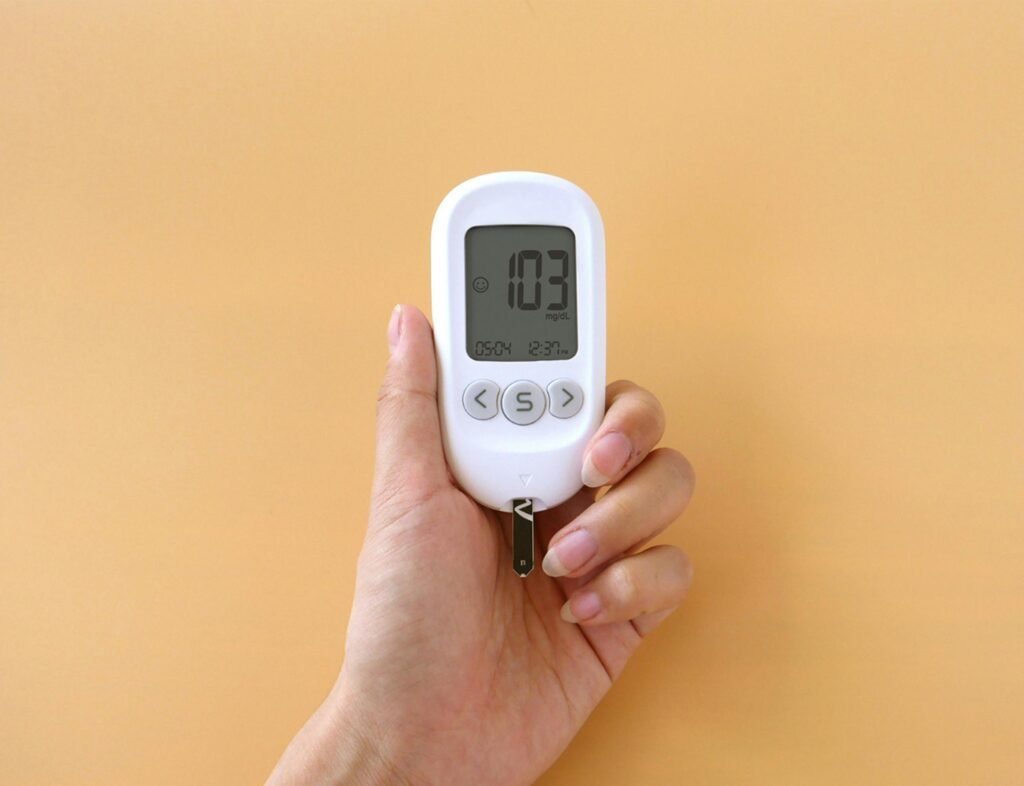
4. Monitor Blood Sugar
Checking blood sugar regularly helps people understand how food and activity affect their health.
Doctors may recommend checking levels:
- Before meals
- After meals
- Before bedtime
Regular monitoring also helps prevent complications.
5. Take Prescribed Medicines
Sometimes lifestyle changes alone are not enough. In these cases, doctors prescribe medicines such as Metformin. In certain situations, patients may also need Insulin.
Always follow medical advice when taking medication.
Possible Complications
If diabetes is not controlled, serious problems may develop.
For instance, high blood sugar can lead to:
- Heart disease
- Kidney damage
- Vision problems
- Nerve damage
- Stroke
However, good management can greatly reduce these risks.
Common Pitfalls and Mistakes
Many people struggle with diabetes because of avoidable mistakes.
Frequent Problems
- Ignoring early symptoms
- Skipping medical checkups
- Eating too much sugar
- Not exercising regularly
- Stopping medication without advice
- Poor sleep habits
Avoiding these mistakes helps keep blood sugar stable.
Points to Avoid
To control diabetes effectively, avoid these habits:
- Drinking sugary beverages daily
- Sitting for long periods
- Eating excessive processed food
- Smoking
- Skipping meals
Instead, focus on consistent and healthy routines.
Suggested Images or Videos for the Blog
Adding rich media improves engagement and SEO.
You can include images such as:
- Blood sugar testing with a glucose meter
- Healthy plate for diabetes diet
- Exercise or walking for diabetes control
- Infographic explaining insulin resistance
You may also add a short educational video about diabetes management.
Useful External Resources
For trusted health information, visit these websites:
These organizations provide reliable guidance on diabetes prevention and treatment.